
Many travelers ask a deeper question before booking: What is Hoi An really like?

If you are expecting a fast-paced, bustling Vietnamese city like Saigon or Hanoi, Hoi An may feel surprisingly slow and intimate. However, if you are looking for a unique place where rich history, world-class street food, scenic countryside, and genuine local culture come together within a compact area, that is precisely what makes Hoi An so special.
- 1 What Is Hoi An Really Like?
- 2 Hoi An in One Minute
- 3 Is Hoi An a City, Town, or Village?
- 4 What Does Hoi An Feel Like?
- 5 What Is Hoi An Known For?
- 6 What Is Daily Life Like in Hoi An?
- 7 What Is Hoi An Like Outside the Ancient Town?
- 8 Hoi An’s Distinct Culinary Culture
- 9 Hoi An’s Deep Relationship With the River
- 10 Is Hoi An Very Touristy?
- 11 Is Hoi An Quiet or Busy?
- 12 What Do Locals Do in Hoi An?
- 13 What Should First-Time Visitors Expect?
- 14 Who Will Enjoy Hoi An Most?
- 15 Who Might Not Like Hoi An?
- 16 Hoi An: Tourist Destination or Living Town?
- 17 Frequently Asked Questions
- 18 A Local’s Final Take on Hoi An
1. What Is Hoi An Really Like?
Hoi An is not just a commercial photo backdrop of iconic yellow buildings and silk lanterns. It is a compact, living historic town where centuries of maritime trade history remain woven into daily life. Here, the serene countryside begins almost immediately outside the heritage core, and farming, fishing, river life, and culinary heritage stay closely intertwined.
If you only explore the main commercial thoroughfares, you will experience a picturesque but narrow slice of local life. The fuller picture emerges when you wander early in the morning, cycle into the surrounding hamlets, eat at traditional family stalls, and observe the quiet residential alleys that thrive just steps away from major sights.
2. Hoi An in One Minute
Hoi An is best understood through its key layers:
- A historic trading hub — shaped by centuries of international maritime heritage (read our detailed breakdown of Hoi An Ancient Town’s history & architecture).
- A premier food destination — world-renowned for iconic regional specialties like Cao Lầu noodles, White Rose dumplings, and local Bánh Mì.
- A rural, agricultural oasis — surrounded by organic vegetable gardens, emerald rice paddies, and traditional craft hamlets like Tra Que Vegetable Village.
- A vibrant cultural crossroads — where Vietnamese, Chinese, Japanese, and French architectural legacies coexist seamlessly.
- A coastal escape — offering easy access to sandy shores like An Bang Beach just minutes from town.
- A slow-travel haven — designed for cycling, walking, tasting, and immersive observation rather than checking off quick bucket lists.
3. Is Hoi An a City, Town, or Village?
Officially, Hoi An is classified as a city in Quang Nam province, but its central heritage core functions and feels like an intimate small town.
This atmosphere is often the first thing travelers comment on. Within a short two-minute walk from a busy shopfront, you can step into a peaceful alley where families gather for morning noodle soup, craftsmen weave rattan, or bikes carrying fresh herb baskets pass by toward the market.
Hoi An offers the modern infrastructure of an international destination alongside the slow, authentic rhythm of a rural town.
4. What Does Hoi An Feel Like?
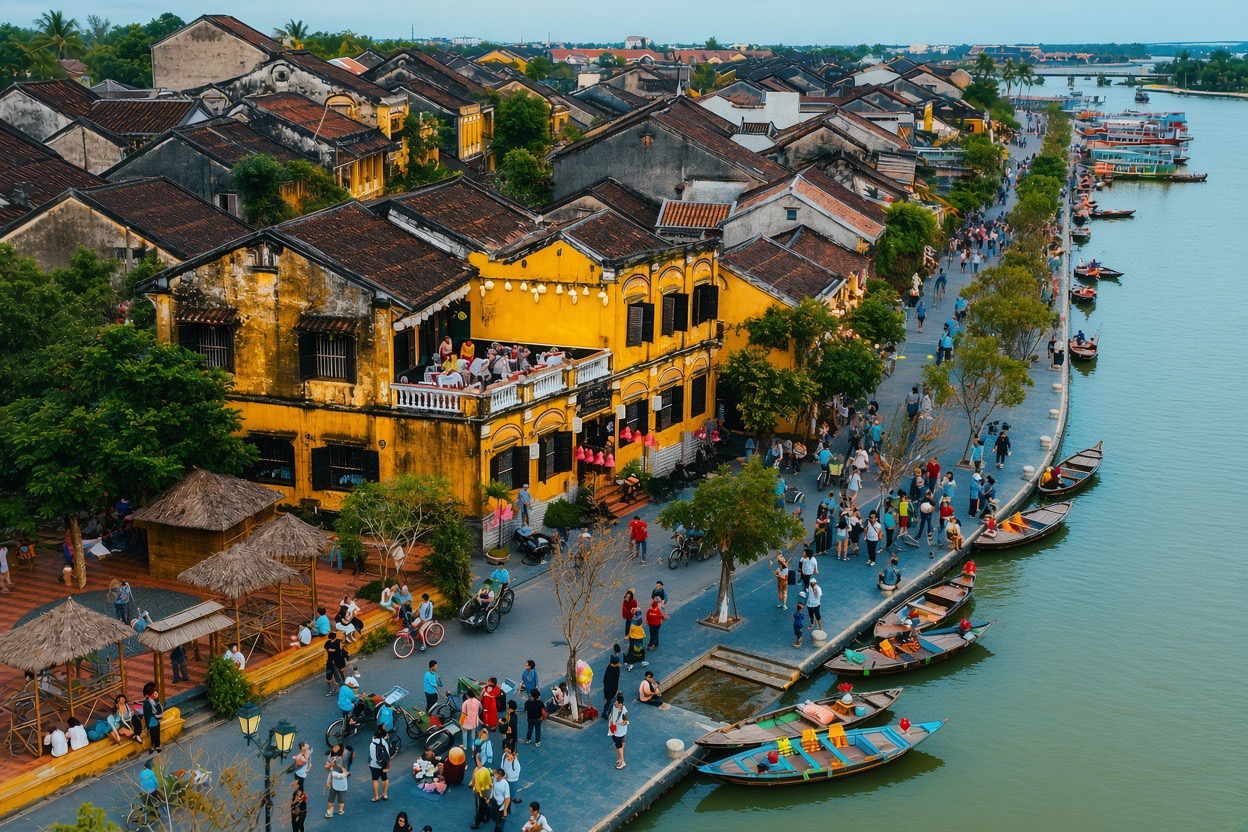
Hoi An generally feels relaxed, highly walkable, historic, warm, and food-centered. While central heritage streets draw steady visitor crowds during afternoon peak hours, surrounding neighborhoods and rural islets maintain an unchanged local rhythm.
The energy changes dramatically with the sun. Midday brings bright sun and quiet siestas. Early mornings reveal crisp river air and market bustle. At nightfall, glowing silk lanterns transform the riverbanks into a lively night promenade.
5. What Is Hoi An Known For?
- UNESCO Ancient Town — Remarkably preserved 15th–19th century merchant houses, wooden assembly halls, and the iconic Japanese Covered Bridge.
- Silk Lanterns — Handcrafted paper and silk lanterns that illuminate the historic streets and riverboats every evening.
- Exceptional Food Culture — World-famous dishes such as Cao Lầu, Bánh Bèo, Bánh Xèo, and crisp Hoi An Bánh Mì.
- Bespoke Tailoring & Crafts — Skilled tailors offering custom clothing within 24–48 hours alongside leathercraft workshops.
- Scenic Countryside & Islets — Organic farming communities, coconut palm waterways, and peaceful river drives.
- Central Beaches — Relaxation spots along An Bang Beach and Cua Dai Beach.
- Day Excursions — Easy proximity to historical Cham ruins at My Son Sanctuary and Marble Mountain.
6. What Is Daily Life Like in Hoi An?
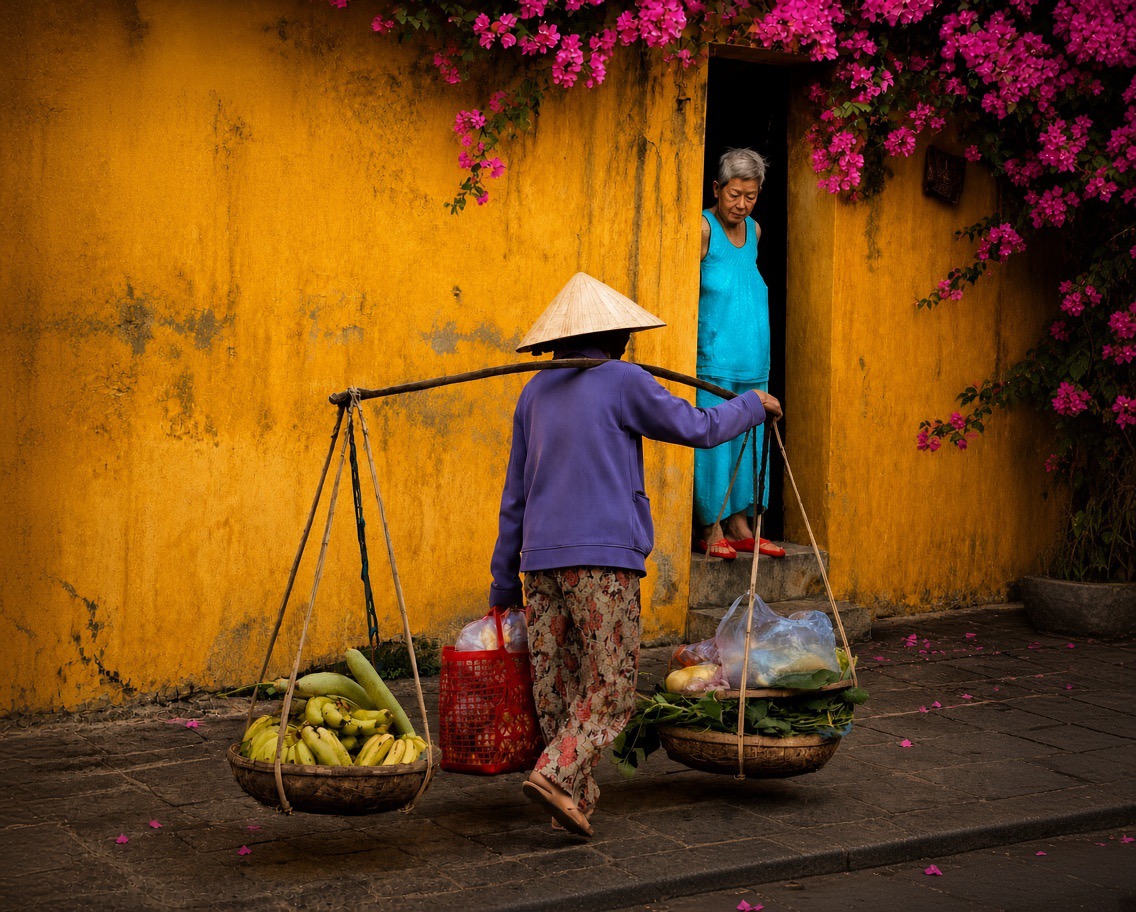
Daily routines follow a traditional, nature-driven rhythm:
- Morning (5:00–8:00 AM): Central markets buzz with fresh seafood landings, locals gather on small plastic stools for coffee and breakfast, and farmers tend rice fields before the heat.
- Midday (11:30 AM–2:30 PM): Outdoor activity slows down. Shops retreat into shade, and locals take afternoon breaks.
- Late Afternoon (3:30–5:30 PM): Children cycle home from school, street food vendors set up charcoal grills, and river breezes cool the town.
- Evening (6:00–10:00 PM): Lantern lights turn on, families eat together, and night markets open along the riverbank.
7. What Is Hoi An Like Outside the Ancient Town?
Exploring beyond the central heritage boundary reveals the true richness of regional life:
- Tra Que Island: An organic herb village using ancient lagoon seaweed fertilization methods.
- Cam Thanh Ecosystem: Tranquil water coconut groves traversed by traditional round bamboo coracle boats.
- Cam Kim Islet: A rural island hub for traditional carpentry, bronze casting, and sedge mat weaving.
- An Bang Beach: A vibrant coastal enclave lined with seafood restaurants, cafes, and ocean views.
- Cam Nam Islet: A quiet riverside district famous for shaded lanes, clam dishes, and corn dessert stalls.
8. Hoi An’s Distinct Culinary Culture
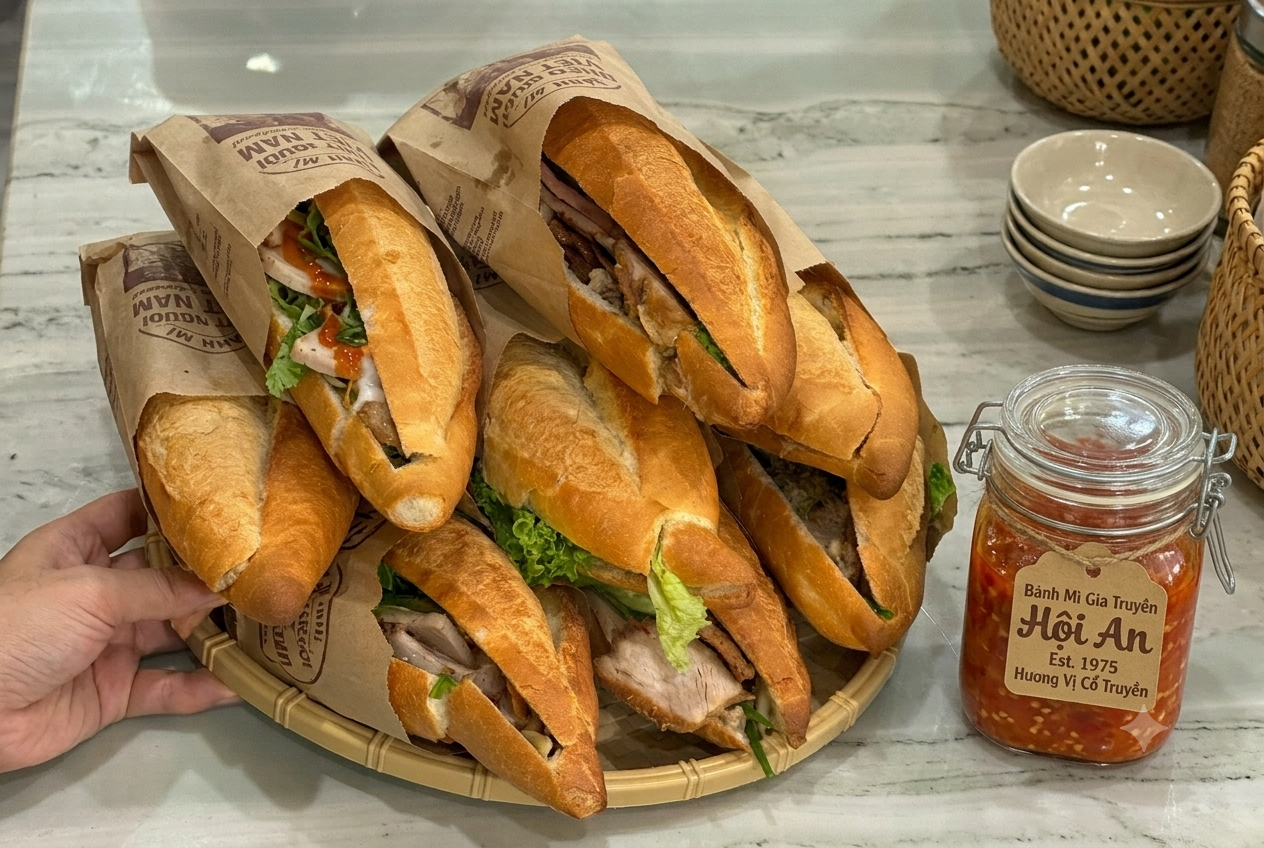
Food in Hoi An is intimately tied to local soil and water. Authentic Cao Lầu noodles require water drawn from the ancient Ba Le Well combined with plant ash from Cham Islands wood. Fresh Tra Que herbs elevate street dishes with distinctive aroma and crisp bite.
Explore our dedicated culinary breakdowns: The Secret Behind Authentic Cao Lầu · What Makes Hoi An Bánh Mì Unique · Guided Hoi An Street Food Experience
9. Hoi An’s Deep Relationship With the River
The Thu Bồn River system is the central reason Hoi An developed into Southeast Asia’s major silk and spice trading port between the 15th and 19th centuries.
Waterways carried merchant vessels from China, Japan, and Europe into the heart of town. Today, while heavy trade shifted toward Da Nang due to river silting, the river remains vital for fishing, local transportation, cultural festivals, and boat excursions (learn more in our history guides on the Thu Bon River and why Hoi An ceased being a major port).
10. Is Hoi An Very Touristy?
Yes, central Hoi An is a popular tourist destination. The main heritage streets, historic houses, and night markets attract steady visitor numbers, particularly between 5:00 PM and 9:00 PM.
However, this does not mean authentic local character has disappeared. By venturing out during early morning hours or exploring residential wards outside the core, you will experience an authentic, functioning Vietnamese community.
11. Is Hoi An Quiet or Busy?
| Time Frame | Town Atmosphere | Best Activities |
|---|---|---|
| 5:00–7:30 AM | Tranquil, peaceful & local | Photography, market visits, morning coffee |
| 8:00–11:00 AM | Active & warm | Visiting heritage houses, countryside cycling |
| 12:00–3:00 PM | Hot & quiet | Relaxing in cafes, museum stops, spa visits |
| 4:00–6:30 PM | Breezy & lively | Riverboat rides, beach visits, street snacks |
| 7:00–10:00 PM | Busy & luminous | Lantern walk, night market, dinner |
| After 10:00 PM | Calm & quiet | Quiet river walk, late drinks |
Seasonal weather patterns also affect town activity. For month-by-month climate recommendations, check our guide on the best time to visit Hoi An.
12. What Do Locals Do in Hoi An?
Beyond tourism services, daily community life centers around traditional routines: buying fresh produce at morning markets, drinking slow drip coffee under shade trees, tending vegetable gardens, gathering at neighborhood temples, maintaining wooden fishing craft, and sharing family meals along the riverbank.
13. What Should First-Time Visitors Expect?
- Warm, humid weather — especially during midday hours from April through August.
- Pedestrian-only hours — Motorbikes are restricted in the Ancient Town during set morning and evening periods (read our guide to Hoi An pedestrian zones).
- Vibrant street life — Excellent food choices ranging from humble street carts to refined courtyard dining.
- A compact footprint — Most attractions can be easily reached on foot or via bicycle.
14. Who Will Enjoy Hoi An Most?
Hoi An is ideally suited for food lovers, cultural travelers, photographers, couples, cyclists, families with children, and travelers who appreciate history, slow exploration, and local craft traditions.
15. Who Might Not Like Hoi An?
Hoi An may not suit travelers seeking high-rise cityscapes, large shopping malls, intense late-night clubbing, or mega-resort entertainment complexes directly in the heritage core. If those features are high priorities, modern Da Nang city may be a better base.
16. Hoi An: Tourist Destination or Living Town?
Hoi An is genuinely both.
While hospitality forms a vital pillar of the modern local economy, the town remains home to active families, schools, religious temples, markets, craft guilds, and farming cooperatives.
The true magic of Hoi An lies not in being a museum frozen in time, but in being a living community where people continue to inhabit and honor their heritage every single day.
17. Frequently Asked Questions
18. A Local’s Final Take on Hoi An

If you only experience Hoi An through a smartphone camera lens, you will leave with photos of colorful lanterns.
If you experience Hoi An by taking time to walk its alleys, taste its heritage dishes, chat with residents, and explore its quiet river pathways, you will discover an unforgettable living culture.
That is the authentic Hoi An I love sharing with every guest.
Ready to Discover the Real Hoi An?
Join a local guide to experience the rich food traditions, hidden alleyways, and quiet countryside beyond the standard tourist map.
🚲 Countryside Bicycle Tour → 🚶 Historic Walking Tour → 🍜 Local Street Food Tour →Plan Your Custom Hoi An Itinerary
Whether you have 24 hours or a full week, we can help craft an authentic private itinerary tailored to your travel style.
Get a Private Tour Consultation →
Written by Billy
Billy is a licensed native tour guide based in Hoi An with over 8 years of experience sharing Central Vietnam’s heritage, local food, and rural culture with international visitors. He shares stories as a local resident living in Hoi An every day.
Contact Billy Explore Private Tours