
There are many dishes in Vietnam that are famous because of their bold flavors. White Rose Dumplings are different.
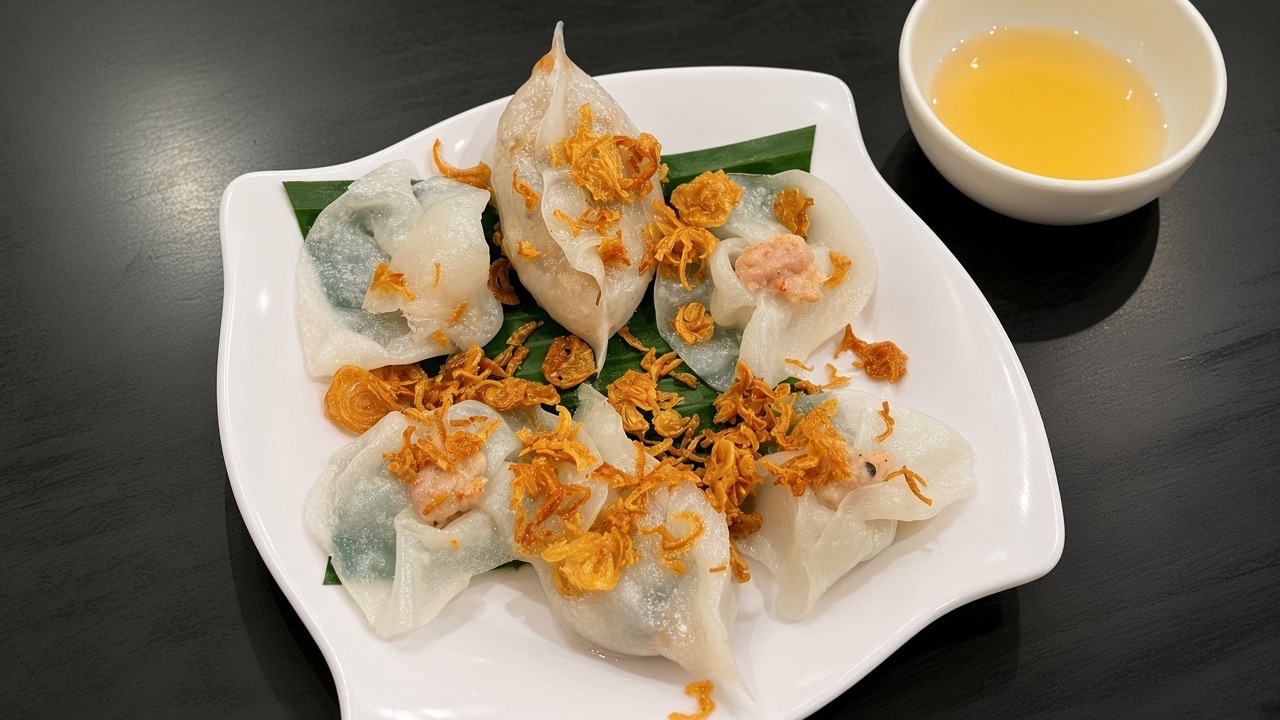
A plate of freshly steamed White Rose Dumplings – one of Hội An’s most refined local specialties.
They are delicately made, almost translucent, carefully shaped, and surprisingly elegant for something that began as a humble local food in Hội An.
At first glance, they may look like tiny white flowers arranged on a plate.
But behind their beautiful appearance is a story involving Hội An’s culinary traditions, local families, handmade techniques, and a recipe that has been closely associated with the ancient town for generations.
So what exactly are White Rose Dumplings? Why are they called White Rose? And why are they so closely connected with Hội An?
Let’s take a closer look.
📑 Table of Contents
- 1 What Are Hoi An White Rose Dumplings?
- 2 Why Are They Called “White Rose”?
- 3 The Origin and Secret Recipe
- 4 Difference Between Bánh Vạc and Bánh Bao
- 5 How White Rose Dumplings Are Made
- 6 How to Eat White Rose Like a Local
- 7 Best Places to Eat in Hoi An
- 8 White Rose vs Cao Lầu
- 9 Frequently Asked Questions
What Are Hoi An White Rose Dumplings?
White Rose Dumplings are known locally as Bánh Bao Bánh Vạc or Bánh Bông Hồng Trắng.
Unlike Cao Lầu, which is defined largely by its chewy noodles, White Rose is defined by delicacy and craftsmanship.
They are small steamed rice-flour dumplings traditionally filled with seasoned shrimp (sometimes mixed with a little pork), carefully folded into a flower-like shape.
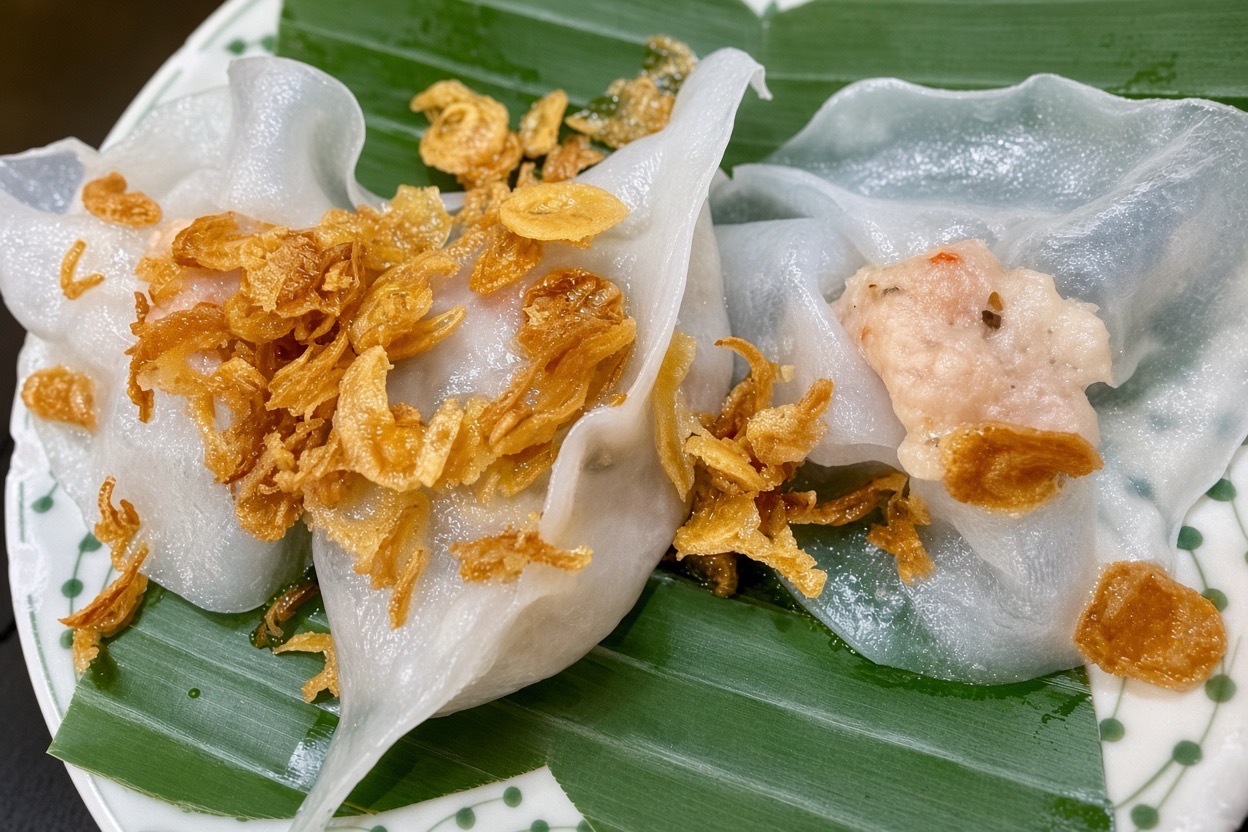
Close-up of the translucent rice wrapper and delicate flower-like folds.
Why Are They Called “White Rose”?
The Vietnamese name does not literally mean “White Rose.” The English name was coined by French travelers during the colonial period. Captivated by the elegant shape, they called it “Rose Blanche” (White Rose).
When several dumplings are arranged together, their folded edges resemble the petals of a small white flower. The name stuck and is now widely used by international visitors.
The Origin and Secret Recipe
The recipe has been guarded by a single Chinese-Vietnamese family in Hội An for over a century. They still supply nearly all authentic White Rose dumplings served in the Ancient Town.
One of the most important secrets is the water. Traditionally, local artisans filter rice flour using water drawn from the ancient Ba Le Well. The alkaline water helps create the extraordinary translucency and springy texture that is difficult to replicate elsewhere.
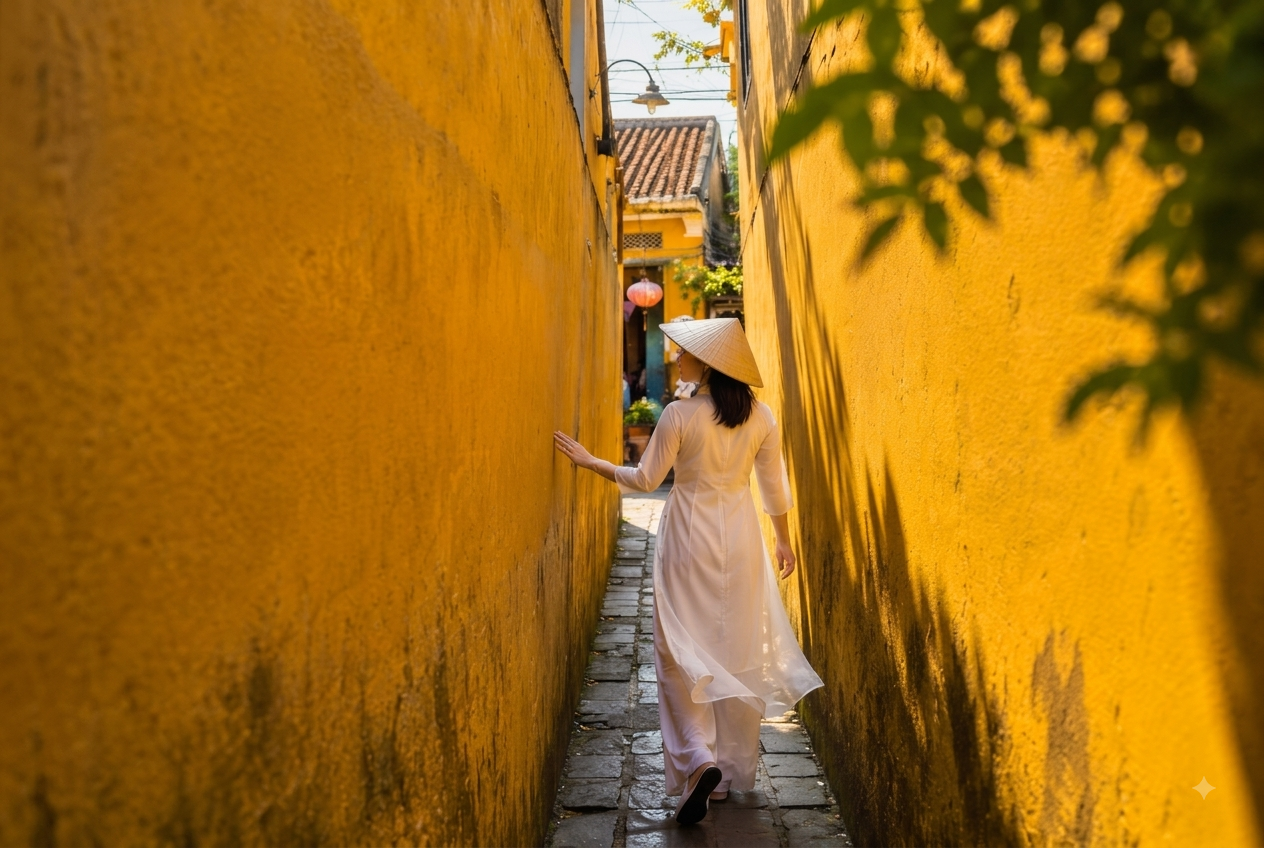
Quiet alley in Hội An Ancient Town – the historic setting of this family recipe.
Difference Between Bánh Vạc and Bánh Bao
A traditional serving usually includes two types of dumplings on the same plate:
- Bánh Vạc (White Rose): Larger, pinched tightly in the center, filled with crushed shrimp, garlic, spring onions and pork.
- Bánh Bao: Smaller, folded like a blooming blossom, filled with seasoned minced pork and wood ear mushrooms.
How White Rose Dumplings Are Made
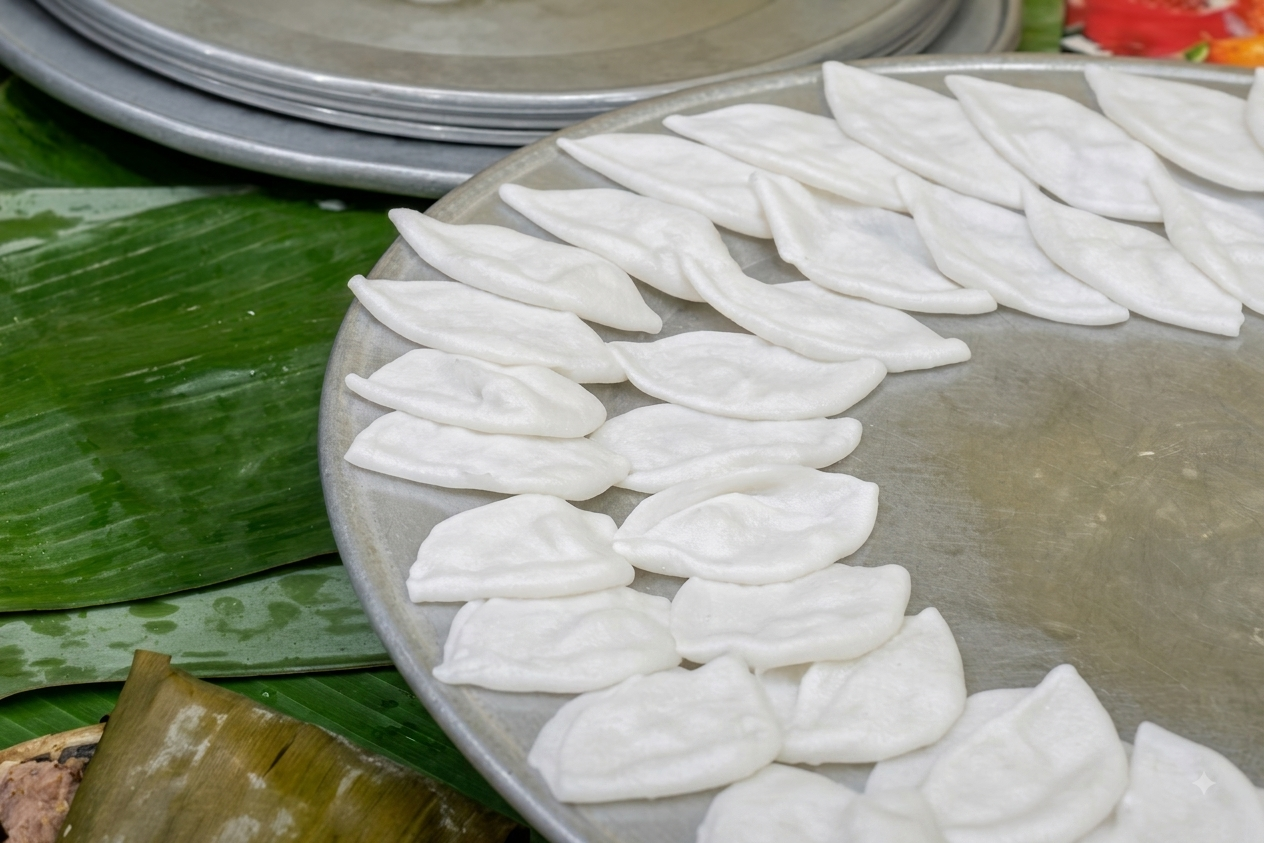
Hand-shaping the thin wrappers requires skill and years of practice.
Crafting these dumplings requires incredible precision:
- Ground rice flour is washed repeatedly in purified water (up to 10–12 times).
- The dough is rolled into thin, translucent circles using quick thumb movements.
- The seasoned filling is placed in the center.
- Artisans pinch the edges into delicate flower-like folds.
- The dumplings are steamed gently for 10–15 minutes.
How to Eat White Rose Like a Local
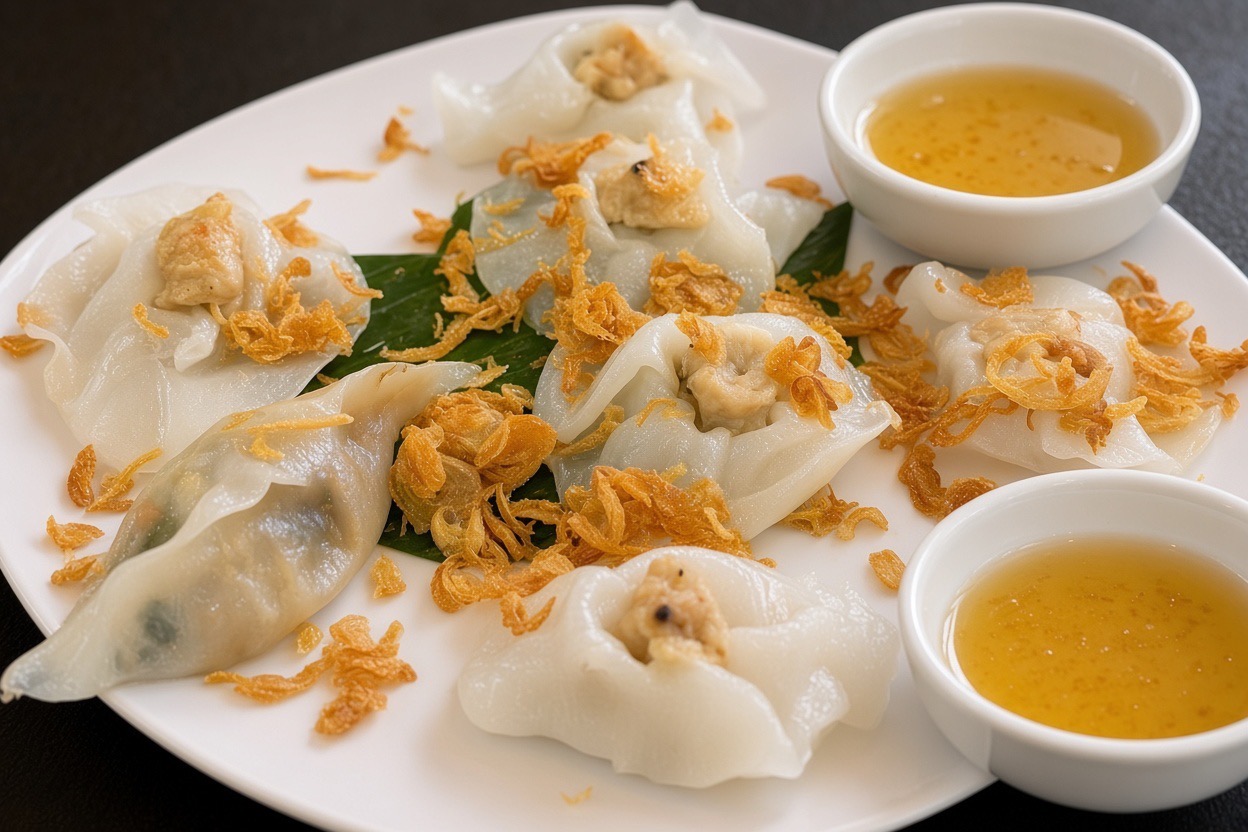
Served warm with crispy fried shallots and a light dipping sauce.
- The Topping: Generously sprinkle golden, crunchy fried shallots over the warm dumplings.
- The Dipping Sauce: Dip into the light savory-sweet fish sauce with fresh red chillies.
- Pro Tip: Eat the dumpling in a single bite to experience the contrast between silky dough, savory filling and crispy shallots.
Don’t judge White Rose by appearance alone. The real pleasure comes from the contrast of soft translucent wrapper, savory filling, and crispy fried shallots in every bite.
Best Places to Eat White Rose Dumplings in Hoi An
1. White Rose Restaurant (Bánh Bông Hồng Trắng)
Address: 533 Hai Ba Trung Street, Hoi An
The original family restaurant. You can often watch local women craft thousands of dumplings by hand every morning.
2. Morning Glory Original
Address: 106 Nguyen Thai Hoc Street, Hoi An
High-quality version in a restored heritage building in the heart of the Ancient Town.
White Rose vs Cao Lầu
| Feature | White Rose Dumplings | Cao Lầu |
|---|---|---|
| Main ingredient | Translucent rice flour | Chewy ash-water noodles |
| Protein | Minced shrimp & pork | Char siu pork |
| Texture | Soft & delicate | Firm & chewy |
| Best known for | Craftsmanship | Unique noodles |
Cao Lầu is about texture and history.
White Rose is about delicacy and craftsmanship.
Experience Hoi An Food With a Local Guide
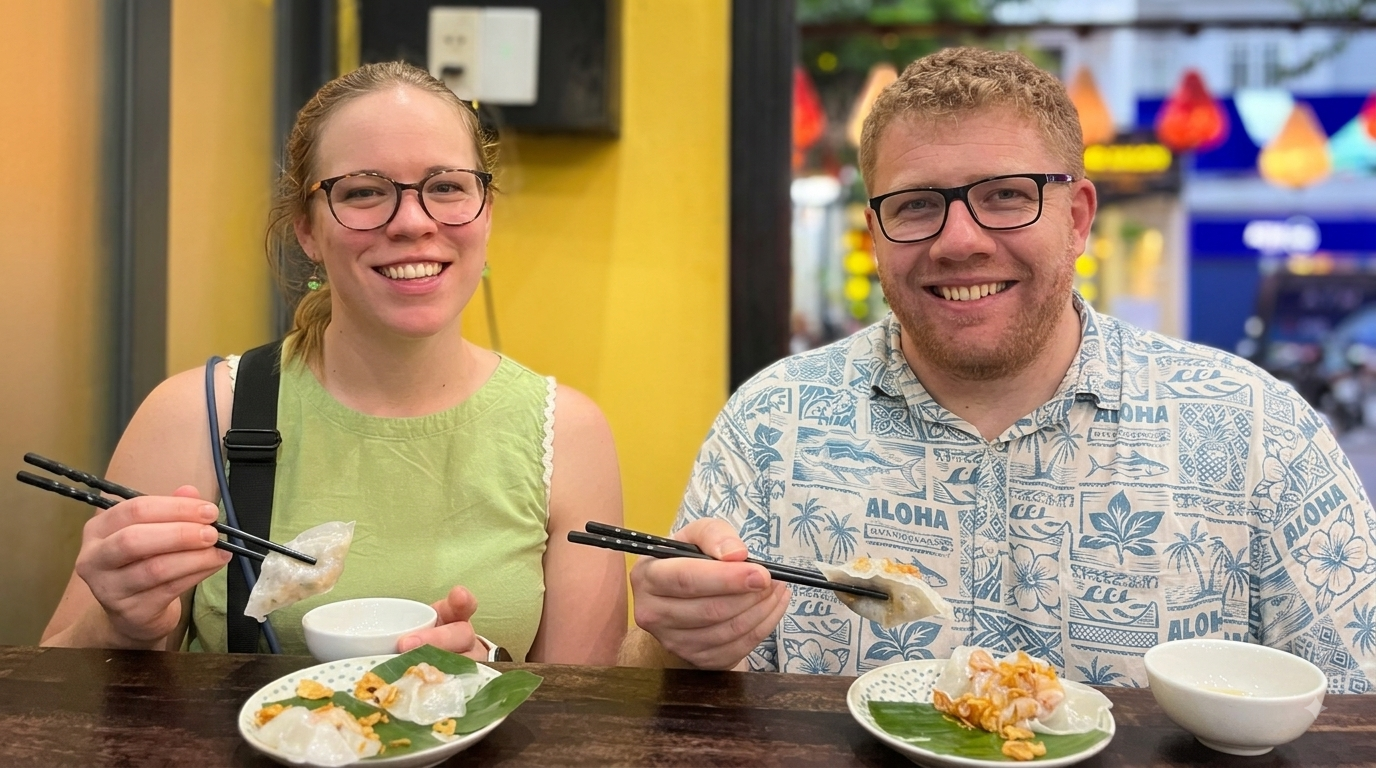
Guests tasting White Rose Dumplings during a local food experience in Hội An.
Taste Authentic White Rose Dumplings in Hội An
Join a local guide who knows the stalls, the stories, and the craftsmanship behind Hội An’s most delicate specialty.
🍜 Explore Our Hoi An Street Food Tour →Frequently Asked Questions
Taste the Delicate Side of Hội An
White Rose Dumplings are more than a pretty plate of food. They are a small window into Hội An’s craftsmanship, family traditions, and the quiet elegance that sits alongside the city’s more famous, bolder flavors.
Ready to Discover the Taste of Hội An?
Join a local guide and taste White Rose Dumplings and more of the city’s iconic dishes for yourself.
Explore Hoi An Street Food Tour with Local Guides →
Written by Billy
Billy is a native Hoi An tour guide with over 8 years of experience leading cultural, walking, and food tours. He specializes in sharing authentic local stories, historical insights, and culinary recommendations to help travelers discover the true spirit of Central Vietnam.
Contact Billy Explore Private Tours